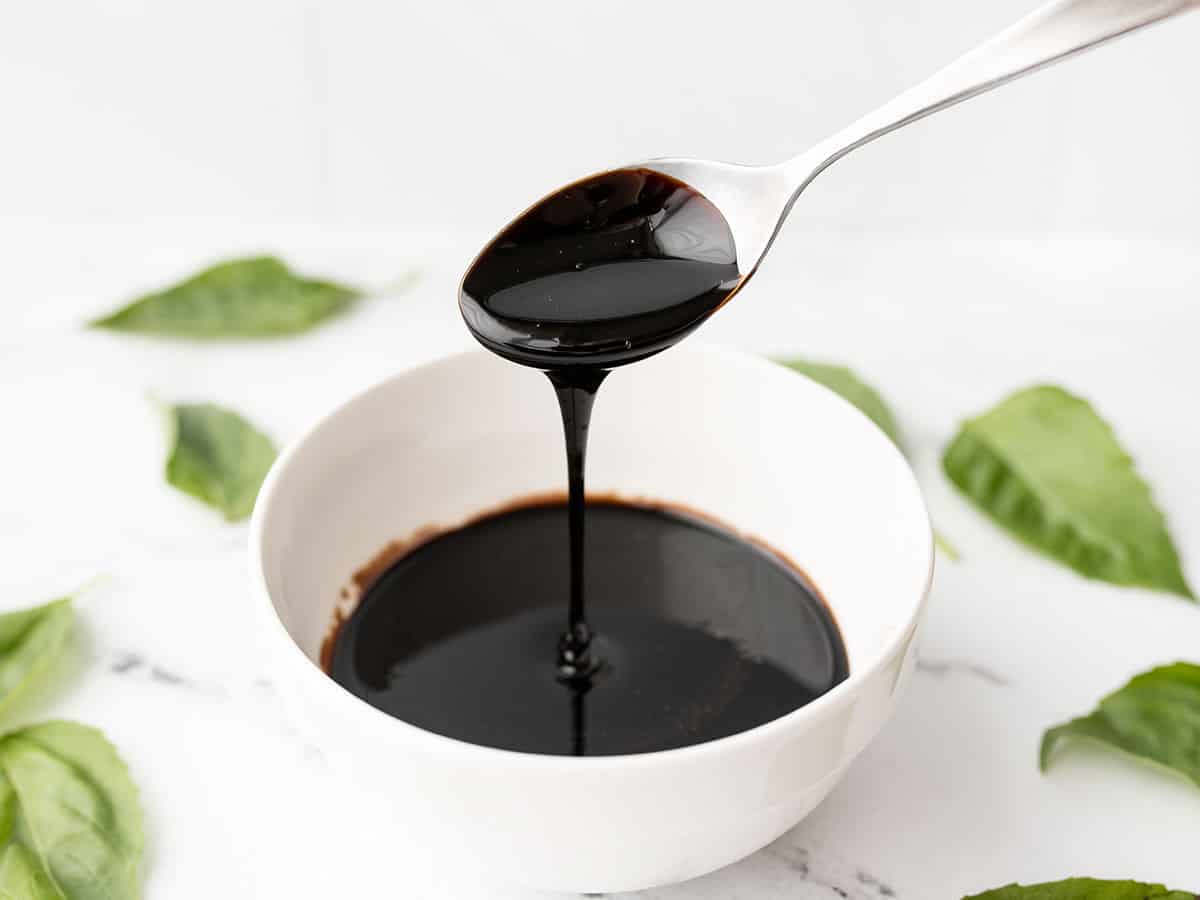
Easy Homemade Balsamic Glaze: Better Flavor, Simple Recipe
Are you ready to transform your everyday meals into culinary masterpieces with an ingredient so simple, yet so profound? Imagine a rich, syrupy condiment, bursting with a harmonious balance of sweet and tangy, ready to drizzle over everything from fresh salads to succulent meats and even decadent desserts. This isn't a secret weapon reserved for gourmet chefs; it's the incredibly easy and remarkably flavorful
homemade balsamic glaze, and once you discover how effortlessly it comes together, you'll wonder why you ever bought it from a store.
Often referred to as a "balsamic reduction," this velvety elixir is a testament to the magic that happens when a humble ingredient like balsamic vinegar is given the time to simmer and concentrate. In just a few simple steps, you can create a condiment that not only tastes superior to its store-bought counterparts but also offers unparalleled versatility, elevating virtually any dish you grace with its presence.
The Secret Weapon: What Exactly is Balsamic Glaze?
At its core,
balsamic glaze is simply balsamic vinegar that has been slowly simmered until it reduces significantly in volume and thickens to a luscious, syrupy consistency, much like maple syrup. During this reduction process, the water content in the vinegar evaporates, leaving behind a more concentrated flavor. The vinegar's natural sugars caramelize slightly, mellowing its sharp acidity and intensifying its inherent sweetness and complex notes. The result is a deep, dark, glossy liquid with an incredibly rich, sweet-tart profile that offers a delightful contrast and depth to a myriad of foods.
While some recipes opt to enhance this natural sweetness with additional ingredients like brown sugar, honey, or maple syrup, the fundamental principle remains the same: transforming ordinary balsamic vinegar into an extraordinary, versatile condiment. This concentration of flavor and sugars is what gives homemade balsamic glaze its distinctive character and sets it apart.
Why Homemade Balsamic Glaze Reigns Supreme
You might be thinking, "Why bother making it when I can just buy a bottle?" The answer lies in the undeniable advantages of homemade quality, flavor, and control.
*
Superior Flavor Profile: Store-bought balsamic glazes often contain added thickeners, artificial flavors, and excessive sugars to achieve their texture and taste. When you make your own
balsamic glaze, you control the ingredients, allowing the true, nuanced flavor of the balsamic vinegar to shine through. The slow reduction process naturally deepens and enriches the vinegar's notes of fig, cherry, molasses, and wood, creating a complexity that mass-produced versions simply can't replicate. The freshness of your chosen balsamic vinegar directly translates into a more vibrant and authentic taste.
*
Quality Ingredients, No Surprises: With a homemade recipe, you know exactly what goes into your glaze. You can choose a high-quality balsamic vinegar as your base, free from unwanted additives or preservatives. This ensures a purer, cleaner taste and a healthier condiment for your family.
*
Customizable Sweetness and Thickness: Do you prefer a slightly sweeter glaze to complement fresh fruit, or a tangier one for savory dishes? With homemade, you have complete control. You can adjust the amount of added sweetener (or omit it entirely) and dictate the final thickness by simply simmering it for more or less time.
*
Unbeatable Versatility: A truly great condiment can elevate an endless array of dishes, and
homemade balsamic glaze is a champion of versatility. It effortlessly bridges the gap between sweet and savory applications. Drizzle it over a vibrant Caprese salad, roasted vegetables, grilled meats, or even fresh berries and ice cream. Its intense flavor and beautiful, deep color add a professional touch to any plate. For even more inspiration on how this simple reduction can elevate your culinary creations, explore
Elevate Every Dish: The Versatile Power of Homemade Balsamic Glaze.
*
Cost-Effective: While specialty store-bought balsamic glazes can be pricey, making your own from a bottle of quality balsamic vinegar is surprisingly economical. A little goes a long way, and a batch can last for weeks in your refrigerator.
Your Easy Recipe for Perfect Balsamic Glaze
Making your own
balsamic glaze is incredibly straightforward, requiring minimal ingredients and equipment. This recipe will guide you to a thick, pourable glaze that will become a staple in your kitchen.
Ingredients:
* 2 cups (470ml) good quality balsamic vinegar (the better the vinegar, the better the glaze!)
* ½ cup (100g) brown sugar (optional, but highly recommended for a sweeter, more balanced glaze)
Equipment:
* Medium saucepan
* Whisk or spoon
* Heat-proof jar or bottle for storage
Instructions:
1.
Gather Your Ingredients: Have your balsamic vinegar and brown sugar (if using) ready. The quality of your balsamic vinegar will significantly impact the final flavor of your glaze, so opt for a brand you enjoy.
2.
Combine and Dissolve: Pour the balsamic vinegar into your saucepan. If using brown sugar, add it now. Place the saucepan over medium heat and whisk or stir constantly until the brown sugar has completely dissolved. This prevents the sugar from settling and potentially burning at the bottom of the pan.
3.
Bring to a Boil, Then Simmer: Once the sugar is dissolved, increase the heat slightly and bring the mixture to a gentle boil. As soon as it reaches a boil, reduce the heat to low, maintaining a steady, gentle simmer. Avoid a vigorous, rolling boil, as this can cause it to reduce too quickly and potentially burn.
4.
Reduce and Thicken: Allow the mixture to simmer, undisturbed, for approximately 15-25 minutes. During this time, the liquid will gradually reduce in volume and begin to thicken. You'll know it's ready when it has reduced by roughly half and coats the back of a spoon. A good test is to dip a spoon into the glaze, lift it out, and run your finger across the back of the spoon. If the line holds and doesn't immediately run back together, it's done. *Remember:* The glaze will thicken considerably more as it cools, so don't over-reduce it, or it will become too stiff.
5.
Cool and Store: Remove the saucepan from the heat and let the glaze cool completely at room temperature. As it cools, you’ll notice it reaching its final, syrupy consistency. Once fully cooled, pour the glaze into a clean, lidded jar or bottle. Seal it and store it in the refrigerator.
For more in-depth techniques and common pitfalls to avoid when crafting this sweet-tangy perfection, check out
Master Balsamic Glaze: Simple Reduction for Sweet & Tangy Perfection.
Tips for Success:
*
Patience is Key: Don't rush the simmering process. A slow, gentle reduction yields the best flavor and texture.
*
Watch Closely: Towards the end of the cooking time, the glaze can go from perfect to burnt very quickly due to the high sugar content. Stay near the stove and check its consistency frequently.
*
Taste and Adjust: Before cooling, taste a small amount (carefully, it's hot!). If you prefer it sweeter, you can stir in a tiny bit more sugar until dissolved.
*
Alternative Sweeteners: Instead of brown sugar, feel free to experiment with molasses, honey, maple syrup, or agave nectar for different flavor nuances.
*
Flavored Vinegars: Elevate your glaze even further by starting with a flavored balsamic vinegar, such as fig, raspberry, or white balsamic, for unique applications.
Unleash Flavor: Creative Ways to Use Your Balsamic Glaze
Once you have a batch of this liquid gold on hand, you’ll find endless opportunities to drizzle and delight. Its intense, balanced flavor makes it an indispensable ingredient.
*
Salads: The classic pairing! Drizzle over Caprese salad (fresh mozzarella, tomatoes, basil), a simple green salad with goat cheese and walnuts, or a vibrant spinach salad with strawberries.
*
Proteins: Finish grilled salmon, roasted chicken, pork tenderloin, or pan-seared steak with a generous drizzle. It adds a gourmet touch and a pop of flavor.
*
Vegetables: Transform roasted asparagus, Brussels sprouts, grilled portobello mushrooms, or baked sweet potatoes into something extraordinary.
*
Appetizers & Cheese Boards: A must-have accompaniment for a charcuterie board. Pair it with Gorgonzola, fresh mozzarella, aged cheddar, or even ricotta cheese. It’s superb spooned over bruschetta or crostini.
*
Pasta & Pizza: A surprising yet delicious addition! Drizzle over a simple pasta dish with fresh herbs and olive oil, or finishing a homemade pizza just after it comes out of the oven.
*
Fruits & Desserts: Don't limit it to savory! It's incredible over fresh fruit like strawberries, peaches, mangoes, or mixed berries. Try it over vanilla ice cream, panna cotta, cheesecake, or even a ricotta toast with honey.
Storing Your Homemade Gold
Your homemade
balsamic glaze is not only superior in taste but also boasts excellent shelf life. Once cooled and poured into an airtight container, it can be stored in the refrigerator for up to 3-4 weeks (and often even longer). If your glaze becomes too thick after refrigeration, simply warm it gently in a small saucepan or microwave for a few seconds, adding a tiny splash of water or balsamic vinegar to achieve your desired consistency.
Conclusion
Making your own
homemade balsamic glaze is a culinary revelation. It's a simple process that yields incredible rewards: a deeply flavorful, versatile, and high-quality condiment that surpasses anything you can buy. From enhancing savory main courses and fresh salads to adding a sophisticated touch to desserts and fruits, this easy balsamic reduction truly earns its place as a kitchen staple. So, grab a bottle of your favorite balsamic vinegar, set aside a little time, and prepare to elevate your cooking with this sweet, tangy, and utterly irresistible homemade delight.