Master Balsamic Glaze: Simple Reduction for Sweet & Tangy Perfection
Imagine transforming an everyday dish into a gourmet delight with just a simple drizzle. That's the magic of balsamic glaze. This intensely flavorful condiment, also known as a balsamic reduction, is a culinary secret weapon for home cooks and professional chefs alike. Offering a perfect balance of sweet and tangy notes, it adds depth, vibrancy, and an undeniable touch of elegance to everything from salads and meats to fruits and desserts. While store-bought versions exist, making your own homemade balsamic glaze is ridiculously easy, more flavorful, and astonishingly versatile. Get ready to elevate your cooking game with this simple yet powerful reduction!
What is Balsamic Glaze? Unveiling the Sweet & Tangy Secret
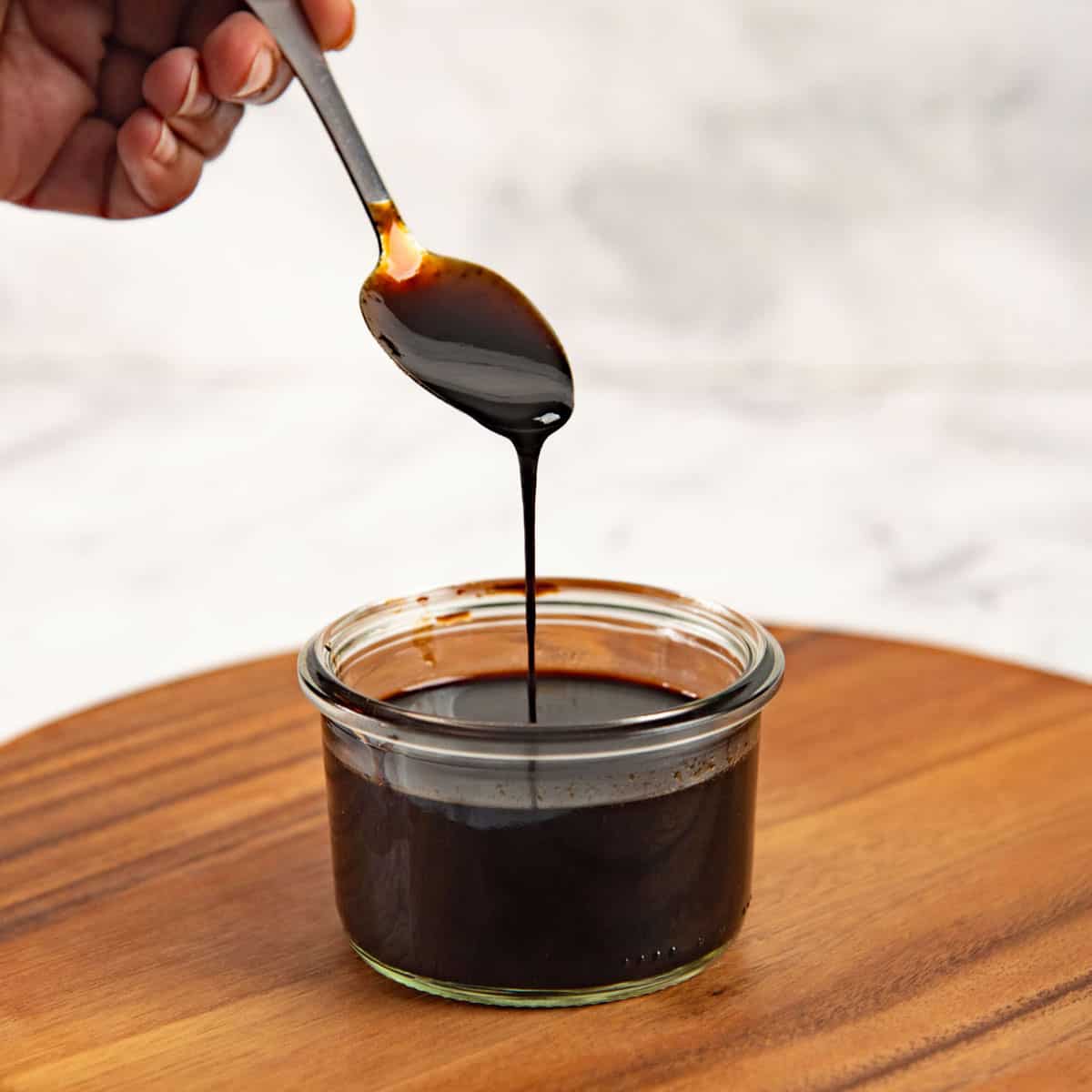
At its core, balsamic glaze is precisely what its alternative name suggests: a balsamic reduction. It's crafted by slowly simmering balsamic vinegar until it thickens and its natural sugars caramelize, concentrating its flavor into a rich, syrupy consistency. Think of it as balsamic vinegar, but bolder, sweeter, and with a significantly mellowed acidity. The transformation process involves reducing the liquid volume, intensifying the vinegar's inherent taste profile to create a deep, dark, and utterly delicious syrup. It typically achieves a consistency similar to maple syrup when warm, thickening further as it cools.
While some recipes opt for pure balsamic vinegar, others introduce an additional sweetener like brown sugar, honey, maple syrup, or agave nectar to enhance its sweetness and aid in the thickening process. Regardless of the exact ingredient list, the result is a beautifully dark, viscous liquid that boasts an exquisite balance of profound sweetness and subtle acidity. This concentrated flavor profile makes it an incredibly impactful ingredient, designed to be drizzled rather than poured, adding a sophisticated "pop" to any dish it graces.
Why Homemade Balsamic Glaze Reigns Supreme
Once you experience the superior taste and quality of homemade balsamic glaze, you'll likely never return to store-bought varieties. The difference is truly remarkable, akin to tasting fresh pesto versus a jarred alternative, or a silky homemade caramel sauce compared to its mass-produced counterpart. Here’s why crafting this sweet and tangy condiment at home is the best choice:
- Unrivaled Flavor and Quality: Homemade versions offer a fresher, purer taste. You control the ingredients, ensuring no artificial flavors, colors, or preservatives often found in commercial glazes. The slow reduction process coaxes out a depth of flavor that simply can't be replicated by shortcuts.
- Cost-Effectiveness: Balsamic vinegar is an affordable pantry staple. Turning it into a gourmet glaze at home is far more economical than purchasing specialty bottles from the store, especially when considering the volume you can produce.
- Customization at Your Fingertips: This is where homemade truly shines. Want it sweeter? Add a touch more honey. Prefer it thicker? Simmer it a little longer. You can even experiment with flavored balsamic vinegars, such as raspberry or fig, to create unique glazes tailored to specific dishes or your personal preference. For a deeper dive into tailoring your glaze, consider exploring resources like Easy Homemade Balsamic Glaze: Better Flavor, Simple Recipe.
- Simple Ingredients, Impressive Results: With as little as one or two ingredients, you can create a condiment that tastes incredibly complex and sophisticated. It’s proof that some of the best culinary creations are born from simplicity.
- A Sense of Accomplishment: There's a certain satisfaction that comes from creating something delicious from scratch. Your guests will be impressed, and you'll know the secret to that irresistible flavor.
Crafting Your Perfect Balsamic Glaze: A Simple Step-by-Step Guide
Making balsamic glaze is less of a recipe and more of a technique. It requires minimal effort and delivers maximum reward. Here’s how to create your own perfectly balanced, intensely flavored glaze:
Ingredients You'll Need:
- 2 cups Balsamic Vinegar: The quality of your vinegar significantly impacts the final glaze. A good quality balsamic will yield a more complex and nuanced flavor.
- ½ cup Brown Sugar (Optional): Or substitute with honey, maple syrup, agave nectar, or molasses. This boosts sweetness and helps with thickening. If using a high-quality, naturally sweet balsamic, you might choose to omit it entirely.
Equipment:
- A medium saucepan
- A whisk or spoon for stirring
- A lidded jar or airtight container for storage
Directions:
- Gather & Combine: Start by gathering your ingredients. Pour the balsamic vinegar into your saucepan. If using a sweetener, add it now.
- Heat & Dissolve: Place the saucepan over medium heat. If you've added sugar, stir constantly until it has completely dissolved into the vinegar.
- Bring to a Boil, Then Simmer: Once the sugar is dissolved (or if you're using just vinegar), increase the heat slightly to bring the mixture to a gentle boil. As soon as it boils, reduce the heat to low. The key is to maintain a gentle simmer, not a rolling boil.
- Reduce & Thicken: Allow the vinegar to simmer uncovered, stirring occasionally. This is the magic phase where the liquid evaporates, concentrating the flavors and thickening the glaze. This process typically takes about 15-25 minutes, depending on the heat intensity and the size of your saucepan.
- Check for Consistency: The glaze is ready when it has reduced by roughly half and coats the back of a spoon. When you draw your finger across the spoon, it should leave a clear path. Remember, it will thicken significantly more as it cools to room temperature, reaching that coveted maple syrup-like consistency. If it looks a little thin while hot, don't panic – it's likely perfect once cooled.
- Cool & Store: Remove the saucepan from the heat and allow the balsamic glaze to cool completely at room temperature. Once cooled, pour it into a clean, lidded jar or airtight container. Store it in the refrigerator, where it will keep beautifully for several weeks, if not months.
Recipe Tips & Troubleshooting:
- Don't Over-Reduce: If you reduce it too much, your glaze might become overly thick or even candy-like once cool. If this happens, you can gently reheat it with a tiny splash of water or balsamic vinegar to loosen it.
- Adjusting Thickness: If your cooled glaze is too thin, you can return it to the saucepan and simmer for a few more minutes. If it's too thick, simply whisk in a teaspoon or two of balsamic vinegar until you reach your desired consistency.
- Flavor Variations: Don't be afraid to get creative! Infuse your glaze with a sprig of rosemary or a smashed garlic clove during the simmering process, straining them out before cooling.
- Scaling Up: This recipe can easily be scaled up or down. Just be aware that reducing a larger batch might take slightly longer.
Elevate Every Dish: Creative Ways to Drizzle and Delight
The beauty of balsamic glaze lies not only in its exquisite flavor but also in its incredible versatility. Its intense, balanced profile allows it to enhance a surprising array of dishes, bridging the gap between savory and sweet with effortless grace. Remember, due to its concentrated flavor, it's best used as a drizzle to add that perfect finishing touch. Explore the endless possibilities and discover how it can Elevate Every Dish: The Versatile Power of Homemade Balsamic Glaze.
Savory Sensations:
- Salads: The classic pairing! Drizzle generously over a fresh Caprese salad with ripe tomatoes, mozzarella, and basil. It's also fantastic on simple green salads, providing a sophisticated alternative to heavy dressings.
- Meats & Poultry: Finish grilled salmon, pan-seared pork chops, roasted chicken, or duck breast with a elegant swirl of glaze. Its acidity cuts through richness beautifully.
- Vegetables: Transform roasted or grilled vegetables like asparagus, Brussels sprouts, portobello mushrooms, bell peppers, or even grilled beets and carrots into gourmet sides.
- Pasta & Pizza: A light drizzle over a finished pasta dish, especially one with fresh tomatoes or pesto, adds a vibrant zing. It's also surprisingly delicious on pizza, particularly white pizzas or those with fresh arugula.
- Cheese & Appetizers: Pair it with strong cheeses like Gorgonzola or fresh ricotta. Spoon it over bruschetta with fresh tomatoes, or crostini with goat cheese and figs.
Sweet Surprises:
- Fruits: This might sound unconventional, but balsamic glaze is heavenly with fresh fruit! Drizzle it over sliced strawberries, peaches, mangoes, cherries, or even a mixed berry salad. The sweetness of the fruit perfectly complements the tangy notes of the glaze.
- Desserts: A unexpected but delightful addition to desserts. Try it over vanilla bean ice cream, ricotta ice cream, or even a simple panna cotta. It adds a sophisticated, complex layer of flavor that will intrigue your taste buds.
- Breakfast & Brunch: Swirl a little glaze over Greek yogurt with berries, or even on French toast or pancakes for a gourmet twist.
Beyond the flavor, balsamic glaze adds a stunning visual element to any plate. Its deep, lustrous color provides a beautiful contrast, instantly making your dishes look more professional and appealing.
Conclusion
From its humble beginnings as balsamic vinegar to its transformation into a glossy, sweet-and-tangy elixir, balsamic glaze is truly a culinary marvel. This simple reduction promises to unlock a world of flavor, enhancing both everyday meals and special occasions with its concentrated richness. With just a few basic ingredients and a little patience, you can effortlessly master this versatile condiment, adding a touch of gourmet sophistication to virtually any dish. So, grab your saucepan, embrace the joy of homemade, and prepare to delight your palate with the irresistible perfection of balsamic glaze.
