Elevate Every Dish: The Versatile Power of Homemade Balsamic Glaze
Imagine a simple drizzle that transforms an ordinary plate into a gourmet experience. A rich, dark, syrupy elixir that balances sweet and tangy notes with an irresistible depth of flavor. That's the magic of
balsamic glaze, a culinary secret weapon that, once discovered, you'll wonder how you ever lived without. Forget the expensive, often additive-laden store-bought versions; crafting your own balsamic glaze at home is ridiculously easy, requiring minimal ingredients and delivering unparalleled taste and quality. It’s a game-changer for salads, meats, vegetables, and even desserts, proving that the simplest homemade condiments truly are the best.
The Secret Behind the Syrupy Magic: What is Balsamic Glaze?
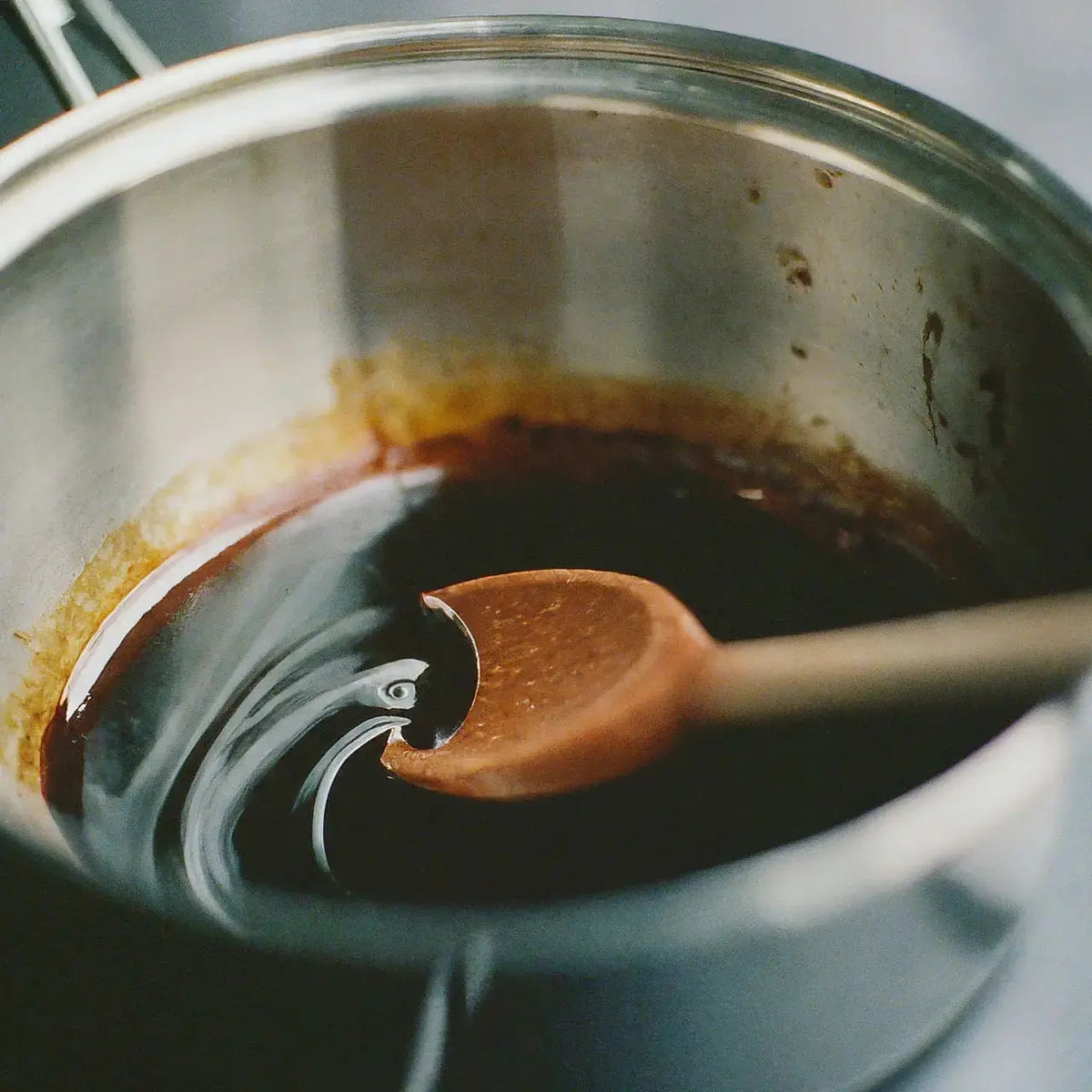
At its heart, balsamic glaze is a concentrated reduction of balsamic vinegar, often referred to as a "balsamic reduction." The process is deceptively simple: balsamic vinegar is gently simmered in a saucepan, allowing its water content to evaporate. As the liquid reduces, the natural sugars within the vinegar caramelize and concentrate, transforming it from a sharp, acidic liquid into a velvety, thick syrup. The acidity mellows significantly, while the sweetness and complex fruit notes intensify, resulting in a deep, dark condiment with an intoxicating aroma and a perfectly balanced sweet-and-tangy profile.
While some recipes call for just balsamic vinegar, many home cooks opt to add a touch of sweetener, such as brown sugar, honey, maple syrup, or agave nectar, to further enhance the glaze's luscious sweetness and help achieve that desirable maple syrup consistency. This customization is one of the distinct advantages of homemade glaze; you control the ingredients, ensuring a product free from the artificial thickeners, preservatives, and excessive sugars often found in commercial varieties. The result is a fresher, more vibrant, and undeniably superior glaze that outshines any store-bought alternative in both flavor and quality.
Crafting Your Own Culinary Masterpiece: A Step-by-Step Guide
Making balsamic glaze is an exercise in patience and simplicity, rewarding you with an intense, flavorful condiment that will become a staple in your kitchen. The beauty lies in its straightforward method, requiring little more than a saucepan and a handful of ingredients.
Essential Ingredients: Quality Matters
The foundation of any great balsamic glaze is, naturally, the balsamic vinegar itself. While you don't need the most expensive aged Traditional Balsamic Vinegar (Aceto Balsamico Tradizionale DOP), opting for a decent quality Balsamic Vinegar of Modena IGP will make a noticeable difference. These vinegars offer a better balance of sweetness and acidity, with richer, more complex undertones that will shine through in your finished glaze. Avoid overly cheap vinegars that taste harsh or diluted, as they will yield a less satisfying reduction.
For the optional sweetener, brown sugar is a popular choice for its depth, but you can easily substitute it with other options like:
- Honey: Adds a floral sweetness and glossy texture.
- Maple Syrup: Imparts a subtle, earthy sweetness.
- Agave Nectar: A neutral, natural sweetener that dissolves easily.
- Molasses: For a deeper, more robust, and slightly smoky flavor.
The amount of sweetener can be adjusted to your preference, typically starting with about 1/4 to 1/2 cup per 2 cups of balsamic vinegar. For an even more detailed guide and a truly foolproof recipe, be sure to check out our article on
Easy Homemade Balsamic Glaze: Better Flavor, Simple Recipe.
The Art of Reduction: Step-by-Step Perfection
- Gather Your Ingredients: Have your balsamic vinegar and chosen sweetener (if using) ready.
- Combine and Heat: Pour the balsamic vinegar into a medium saucepan. If using, stir in the sweetener until it dissolves completely. Place the saucepan over medium heat.
- Bring to a Boil, Then Simmer: Bring the mixture to a gentle boil, then immediately reduce the heat to low. The goal is a steady, gentle simmer, not a rolling boil, to prevent burning and ensure even reduction.
- Reduce and Thicken: Let the mixture simmer uncovered, stirring occasionally, until it has reduced by about half and coats the back of a spoon. This typically takes anywhere from 15 to 30 minutes, depending on the heat level and the width of your saucepan. Watch it closely, especially towards the end, as it can go from perfect to over-reduced very quickly.
- Cool and Store: Once it reaches your desired consistency (think maple syrup), remove the saucepan from the heat. The glaze will continue to thicken significantly as it cools. Allow it to cool completely before pouring it into a clean, airtight jar. Store it in the refrigerator, where it will keep beautifully for several weeks, if not longer.
Beyond the Basics: Elevating Your Balsamic Glaze
While the classic balsamic glaze is superb on its own, there's ample opportunity to personalize and enhance its flavor profile, making it truly unique to your palate and dishes.
Flavor Infusions and Customization
Don't limit yourself to just sweeteners. Consider infusing your glaze with aromatics for an extra layer of complexity:
- Herbs: Add a sprig of fresh rosemary, thyme, or a bay leaf to the vinegar during simmering. Remove before cooling.
- Garlic: A smashed garlic clove or two can infuse a savory depth, perfect for meat or vegetable glazes.
- Spices: A pinch of red pepper flakes for a subtle kick, or star anise for an exotic twist, can transform your glaze.
- Flavored Vinegars: Experiment with raspberry balsamic vinegar for fruit salads or fig balsamic for cheese boards.
Troubleshooting Your Glaze
Even experienced cooks can encounter minor hiccups:
- Too Thin? If your glaze is too thin after cooling, simply return it to the saucepan and simmer for a few more minutes until it reaches the desired consistency.
- Too Thick? If it becomes too thick or solid in the fridge, gently warm it over low heat with a splash of water or balsamic vinegar until it thins out.
- Burnt Taste? This usually happens if the heat is too high or it’s left unattended. Unfortunately, a burnt glaze is difficult to salvage and is best started fresh.
Proper storage in an airtight container in the refrigerator will keep your homemade balsamic glaze fresh for 3-4 weeks, though many find it lasts even longer. Its quality ingredients and natural acidity contribute to its shelf stability. To further hone your skills and discover more advanced techniques for achieving that perfect sweet and tangy balance, read our guide:
Master Balsamic Glaze: Simple Reduction for Sweet & Tangy Perfection.
Unleash Its Versatility: Pairing Your Homemade Balsamic Glaze
The true power of homemade
balsamic glaze lies in its incredible versatility. It's an indispensable condiment that elevates both savory and sweet dishes with its intense, perfectly balanced flavor and beautiful deep color.
Savory Delights
The classic pairing for balsamic glaze is undoubtedly a Caprese salad, where its rich tang beautifully complements fresh mozzarella, ripe tomatoes, and basil. But its uses extend far beyond:
- Salads: Drizzle over any green salad, especially those featuring goat cheese, toasted nuts, or dried cranberries. Combine with a good extra virgin olive oil for a sophisticated dressing.
- Meats & Poultry: Fantastic over grilled salmon, roasted pork loin, pan-seared chicken breast, or a juicy steak. It adds a gourmet touch and lovely crust.
- Vegetables: Transform roasted asparagus, Brussels sprouts, grilled portobello mushrooms, or baked sweet potatoes. It brings out their natural sweetness and adds depth.
- Pasta: A light drizzle over a simple pasta dish with fresh tomatoes and herbs adds unexpected elegance.
- Pizza: Finish a Margherita or a white pizza with a light spiral of glaze just after it comes out of the oven.
- Cheese Boards: A natural partner for strong cheeses like Gorgonzola, Parmesan, or creamy goat cheese, often served with crusty bread or crackers.
- Appetizers: Over bruschetta, crostini, or even as a unique topping for deviled eggs.
Sweet Sensations
Don't be afraid to venture into the dessert realm with your balsamic glaze. Its fruity notes make it surprisingly delightful with sweet applications:
- Fruits: Drizzle over fresh strawberries, peaches, mangoes, or figs for a sophisticated summer treat.
- Ice Cream: A unexpected but delicious pairing with vanilla or ricotta ice cream.
- Desserts: Enhance fruit tarts, cheesecake, or even a simple panna cotta.
The visual appeal of balsamic glaze cannot be overstated. Its dark, glossy finish adds a professional, restaurant-quality presentation to any dish, making it look as exquisite as it tastes.
Conclusion
Homemade balsamic glaze is more than just a condiment; it's a transformative ingredient that empowers you to elevate every dish with ease and sophistication. Its simple preparation, customizable flavor, and incredible versatility make it a must-have in any aspiring home chef's repertoire. From enhancing the freshest salads to adding a gourmet touch to meats, vegetables, and even desserts, this concentrated elixir proves that the most impactful flavors often come from the simplest efforts. Once you experience the intense, perfectly balanced sweet and tangy notes of your own homemade balsamic glaze, you'll understand why it's a culinary addiction you'll happily embrace. So, grab your saucepan, simmer your way to perfection, and get ready to impress with this indispensable kitchen staple.